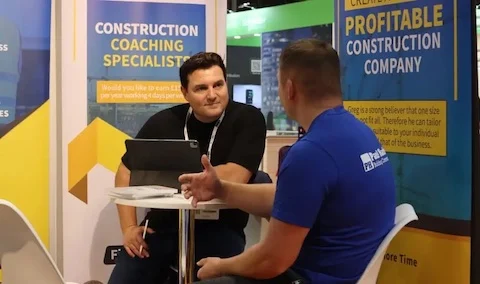


Coaching does not add hours to your week. It forces an honest look at where the business actually stands, then builds the growth plan on that rather than on optimism.

This guide explains who business coaching suits, when it is premature, how it differs from consulting and mentoring, and what to check before you commit.
UK coaching fit briefing
Start With a Financial Health Check
Plan pillar
Every useful coaching conversation starts with the numbers, because they are the part of the business that will not flatter you.
What should you assess before anything changes?
Cash flow first, because it decides how fast anything else can move. Then budget and debt levels, so you know what is genuinely available rather than what is theoretically affordable.
Then profitability, honestly and by type of work. A regular check spots issues while they are still small enough to be a decision rather than an emergency.
Then build from what you found
The strategy comes after the assessment. Doing it the other way round is how businesses grow in the direction that hurts most.
- Analyse cash flow, budget, debt and profitability.
- Develop a growth strategy the numbers can support.
- Optimise project management and delivery, where margin leaks.
- Review regularly, so the plan responds to the business.
Worth knowing A coach cannot want it more than you do. The businesses that get the most from coaching are already prepared to change how they operate, not just how hard they work.
Explore the Plan pillar resourcesWho business coaching is for
Business coaching tends to suit owners of established UK building companies. You have work coming in, a team or regular subcontractors, and enough history to see patterns. You may be busy but not profitable, or profitable but dependent on you. The common thread is that the owner is ready to change how the business operates, not just work longer.
A structured growth programme may be premature if you are still testing whether contracting is for you or cannot yet cover basic costs. At that stage, practical help with construction job pricing and construction business systems may matter more.
When coaching is premature
Match the support to the immediate problem before committing to a growth programme. If cash is in immediate crisis, get appropriate professional advice from an accountant or insolvency practitioner. An inconsistent pipeline can be a coaching topic. The question is whether you have the capacity to implement a plan. Expecting the coach to supply customers, finance or a replacement for your own decisions is a reason to clarify expectations first.
Coaching versus consulting and mentoring
Consulting is often expert-led: someone diagnoses and recommends. Mentoring is experience-led: someone who has done it shares what worked for them. Coaching is question-led and accountability-led: the coach helps you see the situation, choose a direction and follow through. Many providers blend all three. The Develop Mastermind uses coaching and accountability across a 12-month plan, structured around Plan, Attract, Convert, Deliver and Scale. Check the current programme page for the format, support and commitments before joining.
A practical selection checklist
- Do they understand UK construction, not just generic business? See construction business systems for the operating topics that matter.
- Can they talk credibly about cash flow, job costing, pricing, variations, subcontractors and delivery?
- Will they hold you accountable to actions, not just listen?
- Do they recognise when a question needs your accountant or another specialist?
- Are the programme structure and commitments clear before you pay? See the Mastermind course.
- Can you speak to other owners? Treat their stories as individual accounts, not typical or guaranteed outcomes. See Client Wins.
The first bottleneck to fix
Most established builders have one constraint that holds back the rest. It is often not sales. It may be job pricing that leaves no margin, a delivery process that overruns, or an owner who is the bottleneck for every decision. Before adding more leads, review the numbers and the delivery process. If work is priced too low, more turnover can make cash pressure worse. If delivery is chaotic, more work damages reputation. A financial assessment should cover cash flow, budget, debt, profitability by job type and work in progress. Delivery review should cover programme, variations, snagging, handover and retention. Use your accountant or an appropriate specialist for tax, legal and solvency questions.
What coaching can change in practice
Coaching can help you set a 12-month plan, decide priorities and review progress. It can help you move from reaction to intention. It can give you a place to test assumptions about pricing, marketing, hiring and systems. Develop Coaching organises that work around the five pillars: Plan, Attract, Convert, Deliver and Scale. That structure is about direction and follow-through, not a guarantee of revenue or profit. James Overton, who runs a residential design and build business with a property development arm, shares his experience in his full client story. Use the Client Wins hub to find an owner facing a similar challenge, then examine what they changed. These are individual, self-reported experiences, not guaranteed outcomes.
Next step
If you own an established UK building company and you are ready to change how it operates, start with a clear look at the numbers and one bottleneck. Then decide whether you want coaching, consulting, mentoring, or a mix. To explore coaching, review the Mastermind course, look at Client Wins, or book a Scale Session. For practical help first, see construction business systems and construction job pricing.
FAQs
Is business coaching right for an established UK building company?
It can suit owners with trading history, a team or regular subcontractors, and a willingness to change how they operate. An inconsistent pipeline can be one of the problems to work on; check the programme fits your stage and resources.
When is coaching premature?
If you face immediate financial distress, speak to an appropriate professional first. A growth programme also needs time to implement changes and a willingness to act on agreed decisions.
What is the difference between coaching, consulting and mentoring?
Consulting is often expert-led advice, mentoring is experience-led guidance, and coaching is usually question-led with accountability. Many providers blend the three.
What should I check before choosing a coach?
Check UK construction experience, understanding of cash flow, job costing, pricing and delivery, and whether they will hold you to actions. Treat client stories as individual accounts, not guaranteed results.